Application-Based Selection
The conveyed product and line conditions are evaluated together.
Modular belt solutions configured for hygiene, cleanability, durability and production continuity in food-processing lines.
The conveyed product and line conditions are evaluated together.
Material, surface and support are considered against actual operating conditions.
Stable flow is considered at infeed, conveying and transfer points.
Project evaluation is based on dimensions, product data and operating conditions.
In food production, conveying equipment should support product flow while allowing an appropriate cleaning routine. Modular construction, combined with suitable material and surface selection, can support planned maintenance and cleaning.
Bilge Kalıp’s food-industry approach highlights hygienic surfaces, resistance to intensive use and washing, easier maintenance, stable conveying and compatibility with cleaning conditions. Each point should be verified against the actual process.
Potential residue areas, access to the belt, wash frequency and cleaning method should be defined early. Where direct food contact is involved, material suitability for the specific regulatory and process requirements should be verified.
Hot product, cold processing, hot-water washing or chemical cleaning may affect material selection. Temperature changes during cleaning can be as important as normal operating temperature.
Meat, poultry, fruit and vegetables, dairy, packaged goods and bakery products do not have identical surface requirements. Small, delicate or wet products can make transfer geometry especially important.
Share belt dimensions, product, product temperature, line speed, operating hours, wash method, cleaning chemicals and photos of the existing conveyor.
Technical selection should consider more than belt width and length. Product dimensions, weight and base surface, line speed, temperature, humidity and wash-down conditions, transfer points, side guides and maintenance access all matter.
For replacement projects, existing belt dimensions, sprocket and shaft information, recurring problem areas and downtime causes are valuable inputs. For new lines, layout drawings and process flow provide the foundation for evaluation.
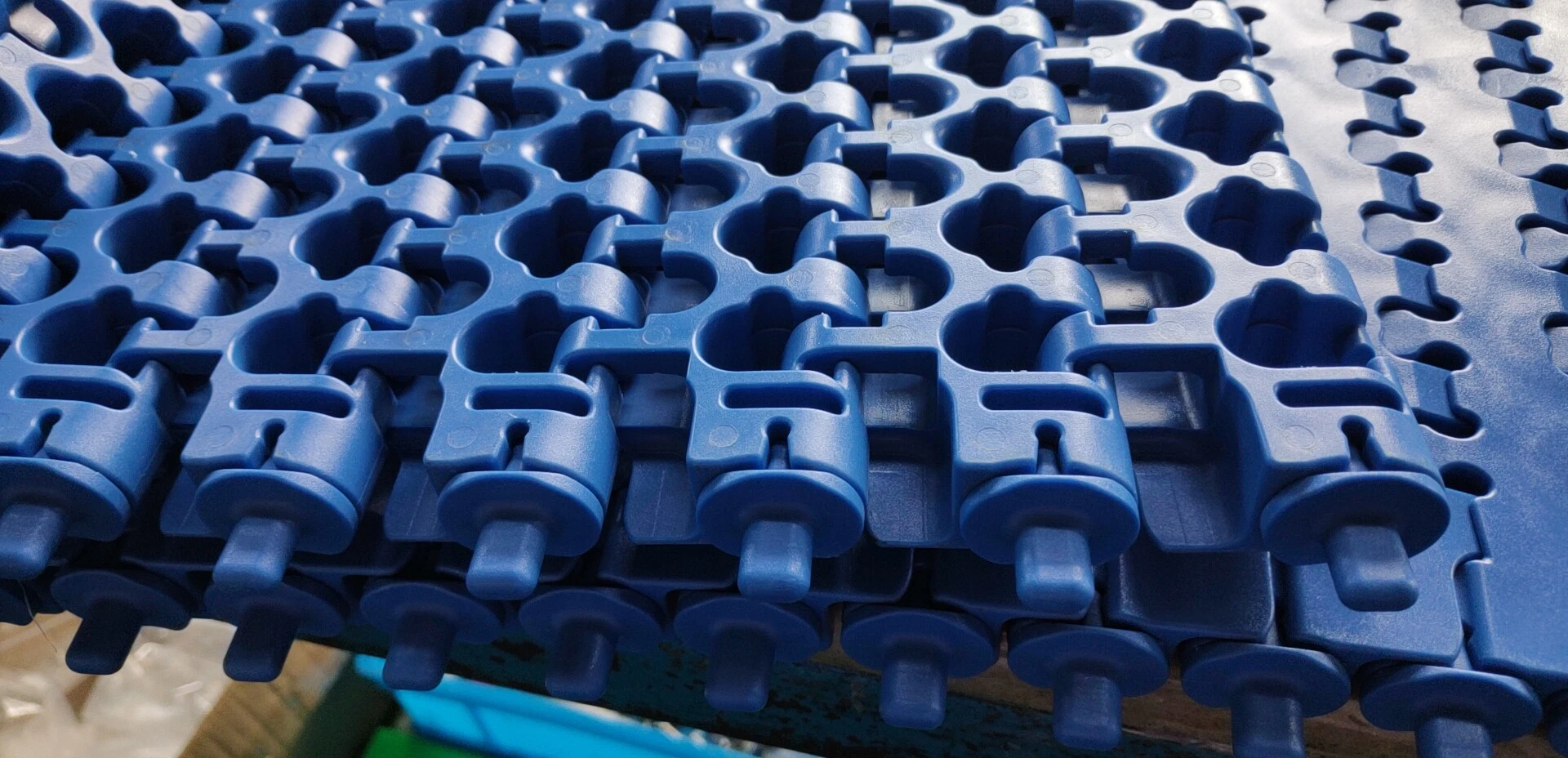
Hygiene, cleanability, product geometry, temperature, wash-down, speed and transfers should be evaluated together.
Compatibility should be evaluated using existing dimensions, sprockets, shafts, belt path and recurring problem areas.
A photo helps, but dimensions, product, speed, temperature and cleaning information improve the evaluation.
Share line dimensions, conveyed product and operating conditions for a technical review.